
🥛 Ingredients
For 1–2 servings:
- 1 cup vitamin-D-fortified milk
- ½ cup plain Greek yogurt
- ½ cup fresh strawberries
- 1 small banana
- 1 teaspoon honey, optional
- 2–3 ice cubes, optional
Important Ingredient Note
Choose milk and yogurt according to the nutrition information on the package. Some dairy products are fortified with vitamin D, while others may contain little or no added vitamin D.
If you are preparing this specifically as part of a balanced diet, fortified milk is a convenient food source of vitamin D, while milk and yogurt can also provide calcium and protein.
Step 1: Prepare the Strawberries
Start by washing the strawberries thoroughly under cool running water.
Remove the green tops and cut the strawberries into smaller pieces.
Fresh, ripe strawberries work especially well because they provide natural sweetness and a pleasant fruity flavor. They also add vitamin C and make the smoothie naturally colorful without needing artificial flavoring.
If strawberries are not available, you can use frozen strawberries. Frozen fruit is particularly convenient because it makes the smoothie cold and thick.
Step 2: Prepare the Banana
Peel one small banana and break it into several pieces.
Banana gives the smoothie a naturally creamy texture and mild sweetness. It also makes the drink thicker, so you don’t need to add a large amount of sweetener.
If your banana is very ripe, you may find that you don’t need honey at all.
For a colder smoothie, you can use banana pieces that have been refrigerated or frozen beforehand.
Step 3: Add the Milk
Pour 1 cup of vitamin-D-fortified milk into your blender.
Milk forms the liquid base of this recipe and helps create a smooth consistency.
You can use regular dairy milk or another fortified milk that fits your dietary needs. If you substitute the milk, check its nutrition label because the amount of vitamin D and calcium can vary considerably between products.
Step 4: Add Greek Yogurt
Add ½ cup of plain Greek yogurt.
Greek yogurt makes the smoothie thicker and creamier. It also provides protein and calcium.
Plain yogurt is preferable if you want to control the amount of added sugar. Flavored yogurts can contain considerably more added sugar, depending on the product.
If you prefer a sweeter smoothie, you can add a small amount of honey.
Step 5: Add the Strawberries and Banana
Place the prepared strawberries and banana into the blender.
At this point, your blender should contain:
- Fortified milk
- Greek yogurt
- Strawberries
- Banana
These ingredients create a creamy, fruity combination that works well without complicated preparation.
Step 6: Add Ice
Add 2–3 ice cubes if you want a colder smoothie.
You can skip the ice if you are already using frozen strawberries or frozen banana.
Avoid adding too much ice because it can make the smoothie watery.
Step 7: Blend
Secure the blender lid and blend for approximately 30–60 seconds.
Start at a lower speed and increase the speed as the ingredients combine.
Continue blending until the smoothie becomes creamy and there are no large pieces of fruit remaining.
If the smoothie is too thick, add a small amount of milk and blend again.
If it is too thin, add a little more Greek yogurt or a few additional pieces of frozen fruit.
Step 8: Taste the Smoothie
Taste the smoothie before adding sweetener.
The banana and strawberries may already provide enough sweetness.
If you want it sweeter, add approximately 1 teaspoon of honey and blend for a few seconds.
You can also leave out the honey completely for a less-sweet version.
Step 9: Serve
Pour the smoothie into a clean glass.
For a simple presentation, add a strawberry to the side of the glass or place a few small strawberry pieces on top.
Drink the smoothie soon after preparing it for the best flavor and texture.
Why These Ingredients Are Useful
Milk
Milk can provide calcium, protein, and vitamin D when fortified.
Calcium is an important mineral for normal bone development and maintenance. Vitamin D helps the body absorb calcium and plays an important role in normal bone health.
Because vitamin D fortification varies between products, checking the nutrition label is useful.
Greek Yogurt
Greek yogurt provides protein and calcium and gives the smoothie its thick, creamy texture.
Protein is important for many functions in the body, while calcium contributes to normal bone health.
Choose plain yogurt if you prefer a smoothie with less added sugar.
Strawberries
Strawberries provide vitamin C and other nutrients.
Their natural sweetness and fresh flavor balance the creaminess of milk and yogurt.
They are also a convenient way to make a nutritious smoothie more enjoyable.
Banana
Bananas provide carbohydrates for energy and contribute to the smoothie’s creamy consistency.
They also add natural sweetness, which means you may not need additional sugar or honey.
Can This Smoothie Cure Bone or Leg Pain?
No. A smoothie should not be considered a treatment or cure for unexplained bone or leg pain.
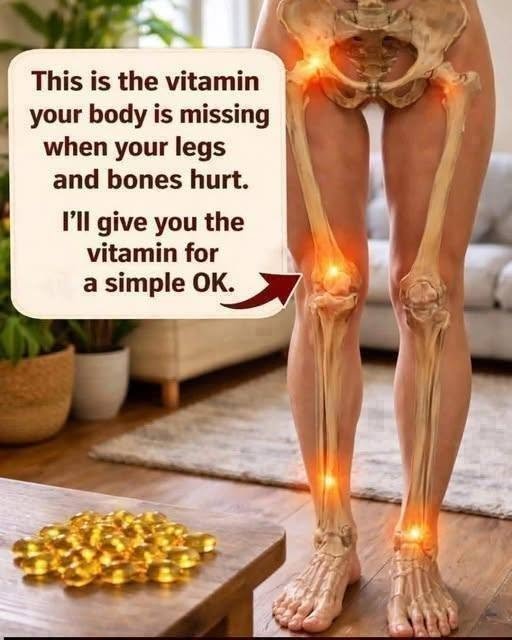
The picture you shared makes a strong claim that a particular vitamin is responsible for painful legs and bones. In reality, pain can have many possible causes.
For example, discomfort can sometimes be related to an injury, physical activity, muscle soreness, or other health issues. Vitamin deficiencies are only one possible explanation.
If someone has ongoing, severe, or unexplained pain, it is better to speak with a healthcare professional rather than assuming that a vitamin supplement is needed.
What About Vitamin D Supplements?
It is best not to start high-dose vitamin D supplements simply because a social-media image says you might be deficient.
Vitamin D supplements can be useful when recommended by a healthcare professional, particularly when testing or medical history indicates a deficiency. But taking excessive amounts can be harmful.
For a teenager, discussing supplements with a parent/guardian and healthcare professional is especially important.
Food-based nutrition is a good starting point for a balanced diet.
Make It Extra Creamy
If you love thick smoothies, try these simple adjustments:
Use Frozen Strawberries
Frozen strawberries make the smoothie colder and thicker without requiring lots of ice.
Freeze the Banana
Slice the banana and freeze it before making the smoothie.
Frozen banana gives the drink a creamy, almost milkshake-like consistency.
Add More Greek Yogurt
For a thicker breakfast smoothie, increase the yogurt slightly and reduce the milk.
Make It Less Sweet
If you prefer a naturally less-sweet drink:
- Use plain Greek yogurt.
- Skip the honey.
- Use fewer ripe bananas.
- Use fresh strawberries.
- Choose unsweetened milk if appropriate.
The strawberries and banana will still provide natural flavor.
Make It More Filling
For a more substantial breakfast, you can serve the smoothie alongside another nutritious food rather than simply adding lots of ingredients to the blender.
For example, you could enjoy it with:
- Whole-grain toast
- An egg
- Oatmeal
- A small handful of nuts, if appropriate
- Fresh fruit
A balanced meal provides a wider variety of nutrients than relying on one particular smoothie.
Storage
Smoothies are best consumed immediately after blending.
If necessary, place the smoothie in a covered container and refrigerate it for a short period.
Shake or stir it before drinking because separation can occur naturally.
For the best texture, however, prepare it fresh.
Frequently Asked Questions
Can I use frozen strawberries?
Yes. Frozen strawberries work very well and can make the smoothie thicker and colder.
Can I leave out the banana?
Yes. You can replace it with additional strawberries or another fruit, although the smoothie may be less creamy.
Can I use regular yogurt?
Yes. Greek yogurt is simply used here because it provides a thick texture and protein.
Can I leave out the honey?
Absolutely. The banana and strawberries may provide enough sweetness.
Is this smoothie a source of vitamin D?
It can be, particularly when you use milk or another product that is fortified with vitamin D. Check the nutrition label of your specific product because vitamin D content varies.
Is vitamin D the only nutrient important for bones?
No. Bone health involves many factors, including adequate calcium, vitamin D, protein, physical activity, and overall nutrition. During the teenage years, healthy bone development is especially important.