
Ingredients
- 4 medium potatoes
- 2 medium carrots
- 1 cup frozen or fresh green peas
- 4 large eggs
- 4–5 medium dill pickles or gherkins
- 1 cup cooked chicken, diced (optional)
- ½ cup mayonnaise, plus more if needed
- 2 tablespoons sour cream or plain yogurt
- 1 teaspoon mustard
- ½ teaspoon salt, or to taste
- ¼ teaspoon black pepper
- 1–2 tablespoons pickle juice
- 2 tablespoons finely chopped fresh dill or parsley
- ½ small onion, very finely chopped (optional)
Step 1: Cook the Potatoes and Carrots
Wash the potatoes and carrots thoroughly. Place them in separate pots of lightly salted water. Keeping the vegetables whole while cooking helps them retain their flavor and prevents them from becoming too watery.
Bring the water to a gentle boil. Cook the potatoes for approximately 15–25 minutes, depending on their size. The carrots usually take around 10–15 minutes. Test them with a fork: they should be tender but still firm enough to hold their shape.
Do not overcook the vegetables. Soft, mushy potatoes can make the finished salad heavy and watery.
Once cooked, drain the vegetables and allow them to cool completely. When they are cool enough to handle, peel them and cut them into small, even cubes.
Step 2: Prepare the Eggs
Place the eggs in a saucepan and cover them with cold water. Bring the water to a boil, then reduce the heat and cook the eggs for about 9–11 minutes.
Drain the hot water and transfer the eggs to a bowl of cold water. Allow them to cool for several minutes before peeling.
Dice the eggs into small pieces, roughly the same size as the potato cubes. Keeping the ingredients similarly sized gives the salad a much better texture because every spoonful contains a little of everything.
Step 3: Cook the Peas
If using frozen peas, cook them according to the package directions or simmer them in boiling water for 2–3 minutes. They should become tender but remain bright green.
Drain them thoroughly and let them cool completely.
If you are using canned peas, simply drain and rinse them well before adding them to the salad.
Step 4: Prepare the Pickles and Other Ingredients
Finely dice the dill pickles or gherkins. Pickles are one of the most important ingredients because their acidity balances the richness of the mayonnaise.
If you are adding chicken, use cooked and cooled chicken breast or thigh meat. Cut it into small cubes.
Finely chop the onion if you want a little extra sharpness. For a milder flavor, soak the chopped onion in cold water for about 5 minutes, then drain it well.
Fresh dill adds a traditional herbaceous flavor, although parsley can be used if you prefer.
Step 5: Make the Dressing
In a small bowl, combine the mayonnaise, sour cream or plain yogurt, and mustard.
Add a tablespoon of pickle juice and mix well. Taste the dressing and add a little more pickle juice if you want additional tanginess.
Season with salt and black pepper.
The sour cream or yogurt is optional, but it makes the dressing lighter and gives the salad a pleasant freshness. If you prefer an especially rich and creamy salad, you can use mayonnaise alone.
Step 6: Combine the Salad
Place the diced potatoes, carrots, peas, eggs, pickles, chicken, and onion in a large mixing bowl.
Add the dressing gradually rather than pouring it all in at once. Gently fold everything together using a large spoon or spatula.
Be careful not to mash the potatoes. The goal is to coat the ingredients with dressing while keeping the cubes intact.
Taste the salad. Adjust the salt, pepper, mustard, or pickle juice according to your preference. Remember that pickles and mayonnaise already contain salt, so it is best to add additional salt gradually.
Step 7: Chill the Salad
Cover the bowl and refrigerate the salad for at least 1–2 hours before serving.
This resting period is important because it allows the flavors to blend together. The potatoes absorb some of the dressing, while the pickle, egg, and vegetable flavors become more harmonious.
For the best flavor, you can prepare Russian potato salad several hours in advance and refrigerate it until serving.
Serving Suggestions
Transfer the chilled salad to a serving bowl or platter. Garnish it with fresh dill, parsley, sliced boiled egg, peas, or thin slices of pickle.
Russian potato salad works wonderfully as a side dish with grilled chicken, roasted meat, kebabs, sandwiches, or other festive foods. It can also be served as a light meal with bread.
For a special occasion, arrange the salad neatly on a platter and decorate the top with slices of egg, carrots, peas, and herbs.
Tips for the Best Russian Potato Salad
Use firm potatoes. Waxy or all-purpose potatoes are usually better than very floury potatoes because they hold their shape after cooking.
Cool everything before mixing. Warm potatoes can absorb too much mayonnaise and make the dressing greasy or thin.
Cut ingredients evenly. Small, uniform cubes create the classic texture and make the salad easier to eat.
Don’t overdo the mayonnaise. Start with a smaller amount and add more if necessary. The salad should be creamy without becoming soupy.
Adjust the tanginess. Pickle juice is an easy way to brighten the salad. A little mustard also adds depth.
Let it rest. Refrigerating the salad for at least an hour makes a noticeable difference in flavor.
Storage
Keep Russian potato salad refrigerated in a covered container. For food safety and best quality, it is generally best consumed within 3–4 days. Because it contains mayonnaise, eggs, and cooked vegetables, avoid leaving it at room temperature for extended periods, especially in hot weather.
Variations
There are many versions of Russian potato salad. You can replace chicken with diced cooked beef, ham, or another preferred protein. For a vegetarian version, simply leave out the meat.
For extra crunch, add finely diced fresh cucumber or a small amount of celery. Some versions also include apples for a subtle sweetness.
If you want a lighter salad, replace part of the mayonnaise with Greek yogurt or plain yogurt. For a richer festive version, use full-fat mayonnaise and sour cream.
Final Result
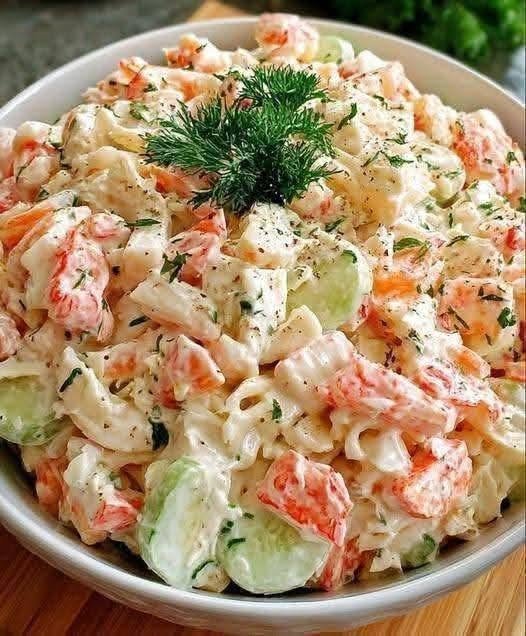
A good Russian potato salad should be creamy but not watery, flavorful but not overly salty, and soft but still slightly firm. The potatoes provide a hearty base, carrots and peas add sweetness and color, eggs contribute richness, while pickles and mustard provide the acidity needed to balance the creamy dressing.
Once chilled and garnished with fresh herbs, it becomes a colorful and satisfying salad suitable for everyday meals as well as celebrations.