
Ingredients
Estimated protein
30–35 g per serving
Use the checklist to prepare your ingredients.
3 large eggsThe main source of protein and richness.
100 g low-fat cottage cheeseAdds protein and a soft, creamy texture.
1 teaspoon butter or olive oilHelps prevent sticking and adds flavor.
1 tablespoon milk (optional)Creates a slightly lighter texture.
A small pinch of saltEnhances the natural egg flavor.
¼ teaspoon freshly ground black pepperAdds gentle warmth.
1 tablespoon chopped fresh chives or corianderOptional garnish for freshness.
0 of 7 ingredients ready
Ingredient tip: Cottage cheese is especially useful because it boosts the protein content without requiring extra eggs. For a smoother result, blend the cottage cheese briefly before adding it to the eggs. If cottage cheese is unavailable, use thick Greek yogurt, although the flavor and texture will be slightly different.
Step-by-Step Instructions
Step 1: Whisk the eggs thoroughly
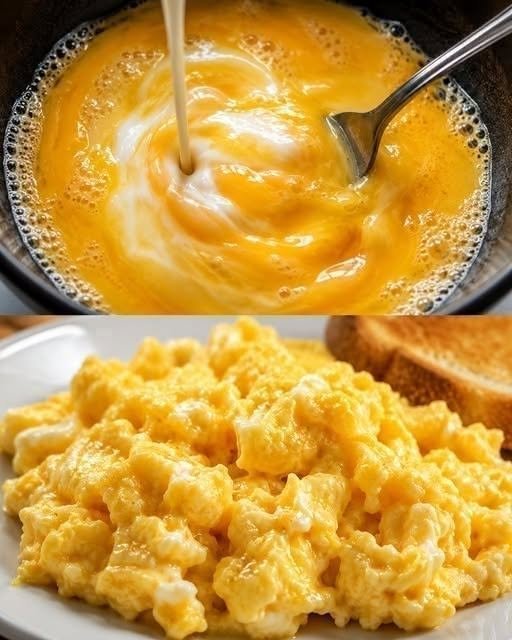
Crack the three eggs into a medium-sized bowl. Add the milk, a small pinch of salt, and black pepper. Whisk vigorously for about 30–45 seconds until the whites and yolks are completely combined and the mixture looks uniform.
Proper whisking helps distribute the yolks and whites evenly, giving the finished eggs a consistent color and delicate texture. Avoid whipping for too long; you do not need stiff foam.
Step 2: Prepare the cottage cheese
Add the cottage cheese to the egg mixture and stir gently. If you prefer very smooth, restaurant-style scrambled eggs, blend the cottage cheese first until creamy.
Small curds will give the eggs a slightly textured finish, while blended cottage cheese creates a more uniform and velvety consistency. Both options provide additional protein.
Step 3: Warm the pan gently
Place a nonstick frying pan over low to medium-low heat. Add the butter or olive oil and allow it to melt, coating the bottom of the pan.
The pan should be warm but not smoking. High heat cooks the outside of the eggs too quickly, leaving them dry and tough before the inside has a chance to become tender.
Step 4: Cook slowly and stir gently
Pour the egg mixture into the pan. Let it sit for a few seconds until the edges begin to set. Using a silicone spatula, gently push the cooked egg from the edges toward the center.
Continue stirring slowly, allowing uncooked egg to flow into the empty spaces. Keep the heat low and avoid constant vigorous stirring. Over approximately 3–5 minutes, soft curds will form while the eggs retain their moisture.
Step 5: Remove the eggs before they dry out
When the eggs have formed soft curds and look almost fully set but remain slightly glossy, remove the pan from the heat.
The residual warmth will continue cooking them for a short time. This simple technique helps prevent overcooking and preserves their soft, fluffy texture. Make sure the eggs reach a safe level of doneness; if you need extra caution, cook until fully set rather than leaving them runny.
Step 6: Garnish and serve immediately
Transfer the scrambled eggs to a warm plate. Sprinkle with chopped chives or coriander and add a little extra black pepper if desired.
Serve immediately while the eggs are warm, tender, and creamy. Enjoy them on whole-grain toast, with sautéed vegetables, or alongside a small serving of fresh fruit for a balanced breakfast.
Nutrition Information
The following values are estimates for one serving made with three large eggs, 100 g low-fat cottage cheese, one teaspoon of butter, and a small amount of milk.
| Nutrient | Approximate amount |
|---|---|
| Calories | 380–420 kcal |
| Protein | 30–35 g |
| Carbohydrates | 5–8 g |
| Fat | 24–29 g |
| Fiber | 0 g |
Actual nutrition will depend on egg size, the brand and fat content of the cottage cheese, and the amount of butter or oil used.
Why this recipe is high in protein
- Eggs: Provide complete protein, meaning they contain all nine essential amino acids.
- Cottage cheese: Adds substantial protein and makes the eggs creamier.
- Milk: Contributes a small amount of additional protein, depending on the quantity used.
Protein helps support muscle repair, recovery, and the maintenance of lean body tissue. Pairing these eggs with whole-grain toast, oats, or vegetables can make breakfast more balanced and filling.
Five Secrets to Perfectly Soft, Fluffy Scrambled Eggs
1. Keep the heat low.
Gentle heat allows the eggs to cook evenly and helps prevent rubbery curds.
2. Use a good nonstick pan.
It reduces sticking and allows you to use less fat without damaging the delicate curds.
3. Do not overcook.
Eggs continue cooking after you remove them from the stove. Take them off the heat as soon as they are cooked to your preferred safe consistency.
4. Choose the right dairy ingredient.
Cottage cheese increases protein, while a little milk helps loosen the mixture. Too much liquid can make the eggs watery.
5. Serve immediately.
Freshly cooked scrambled eggs have the best texture. Leaving them in a hot pan will make them progressively firmer and drier.
Easy Variations to Try
- Extra-high-protein eggs: Add two egg whites to the three whole eggs. This increases protein with relatively little additional fat.
- Cheesy scrambled eggs: Stir in a small amount of grated cheddar during the final minute of cooking. The flavor becomes richer, although the calories and fat will increase.
- Vegetable scrambled eggs: Add finely chopped spinach, mushrooms, tomatoes, or bell peppers. Cook watery vegetables first so they do not release excess moisture into the eggs.
- Spicy scrambled eggs: Add a pinch of chili flakes, paprika, or finely chopped green chili for a flavorful kick.
- Dairy-free version: Leave out the cottage cheese and milk, and cook the eggs with olive oil. The dish will still provide protein from the eggs, although the total protein will be lower.
Frequently Asked Questions
1. How can I make scrambled eggs fluffy without adding cream?
Whisk the eggs thoroughly, use gentle heat, and move them slowly with a spatula. Cottage cheese adds creaminess without requiring heavy cream.
2. Is it better to use butter or olive oil?
Both work well. Butter provides a richer flavor, while olive oil offers a different flavor profile and is rich in monounsaturated fat. Use a small amount to prevent sticking.
3. Can I prepare these eggs for meal prep?
Yes. Store cooked eggs in a covered container in the refrigerator and use them within 3–4 days. Refrigerate within two hours of cooking, or within one hour if the ambient temperature exceeds 32°C (90°F). Reheat until steaming hot, ideally to 74°C (165°F). Their texture is best when freshly prepared.
4. Can I eat these eggs every day?
Eggs can be part of a balanced diet. Whether eating this recipe daily is appropriate depends on your overall diet, health needs, and individual cholesterol considerations. Varying your protein sources is a useful general approach.
5. What is the best side dish for high-protein scrambled eggs?
Whole-grain toast, plain Greek yogurt, beans, sautéed spinach, or fresh vegetables all pair well with scrambled eggs. For a more filling meal, combine the eggs with whole-grain carbohydrates and fiber-rich vegetables.
Final Thoughts
High-protein soft, fluffy scrambled eggs prove that a healthy breakfast can be simple, delicious, and satisfying. With just a few everyday ingredients, you can create tender eggs with a creamy texture and approximately 30–35 grams of protein per serving.
The most important technique is to cook slowly over low heat, stir gently, and avoid leaving the eggs on the stove for too long. Add cottage cheese for extra protein, season to your taste, and serve immediately for the best results.
Whether your goal is muscle building, a more filling morning meal, or simply enjoying perfectly cooked eggs, this recipe is an easy addition to your breakfast routine.
Enjoy your creamy, fluffy, protein-packed scrambled eggs!