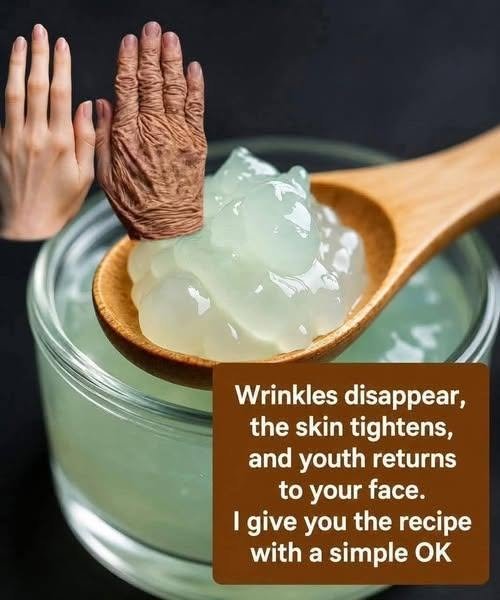

Ingredients
- 2 tablespoons pure aloe vera gel
- 1 teaspoon glycerin
- 1 teaspoon cooled boiled water
- 1–2 drops vitamin E oil, optional
Equipment
- Small clean bowl
- Clean spoon
- Small clean container with a lid
Step 1: Clean Your Equipment
Before making the gel, wash your hands and clean the bowl, spoon, and storage container thoroughly.
Homemade skincare products do not contain the same preservatives as commercial products, so cleanliness is especially important.
Allow the equipment to dry completely before starting.
Step 2: Add the Aloe Vera
Place 2 tablespoons of pure aloe vera gel into your clean bowl.
Aloe vera gives the mixture its gel-like consistency and provides a light, cooling feel when applied to the skin.
Choose a simple aloe vera gel without added fragrance or irritating ingredients when possible.
Step 3: Add Glycerin
Add 1 teaspoon of glycerin to the aloe vera.
Glycerin is a humectant, meaning it helps attract and hold water in the outer layers of the skin. This can help the skin feel softer and more hydrated.
Stir slowly so the ingredients begin to combine.
Step 4: Add Water
Add 1 teaspoon of cooled boiled water.
Mix gently until the aloe vera, glycerin, and water are evenly combined.
If the mixture seems too thin, you can reduce the amount of water next time.
Step 5: Add Vitamin E
Vitamin E is optional.
If you choose to use it, add only 1–2 drops and mix thoroughly.
You can also leave it out completely. The aloe vera and glycerin are enough to make a simple hydrating gel.
Step 6: Transfer to the Container
Spoon the finished gel into a clean container with a tight-fitting lid.
Avoid dipping unwashed fingers directly into the container. Using a clean spoon or spatula can help reduce contamination.
Step 7: Patch Test First
Before applying the gel to your entire face, test a small amount on a small area of skin.
Wait to see whether you experience redness, itching, burning, swelling, or irritation.
If irritation occurs, wash the area and do not use the product.
Step 8: Apply the Gel
After cleansing your face, apply a small amount of the gel to clean skin.
Spread it gently rather than rubbing aggressively.
A thin layer is usually enough. Allow it to absorb naturally.
If your skin feels dry afterward, you can follow with a regular fragrance-free moisturizer.
When to Use It
This gel can be used as part of a simple skincare routine.
A basic routine can be:
Morning:
Gentle cleanser → hydrating gel → moisturizer → sunscreen
Evening:
Gentle cleanser → hydrating gel → moisturizer
Sunscreen is particularly important during the daytime because it helps protect skin from UV exposure.
Important Storage Note
Because this is a homemade water-based product without a proper cosmetic preservative system, it can spoil more easily than commercially manufactured skincare.
Make a very small batch, keep it refrigerated, and discard it if the appearance, smell, or texture changes. Do not keep homemade skincare products for long periods.
For facial products, a commercially formulated moisturizer or aloe gel with an appropriate preservative system is generally more reliable for long-term storage.
Ingredients to Avoid
When making a simple face gel, avoid adding ingredients that can irritate facial skin, such as lemon juice, baking soda, undiluted essential oils, or strong fragrances.
These ingredients can cause irritation even though they are sometimes promoted in DIY skincare recipes.
Final Thoughts
This DIY hydrating face gel is a simple way to experiment with gentle skincare ingredients. Aloe vera and glycerin provide a lightweight, moisturizing feel without requiring a complicated recipe.
Remember that skincare does not need to be complicated. Gentle cleansing, regular moisturizing, and daily sun protection are usually more useful than using lots of homemade treatments.
If you have persistent acne, eczema, a rash, or another skin concern, it is better to ask a parent or guardian about seeing a healthcare professional rather than trying increasingly strong DIY treatments.