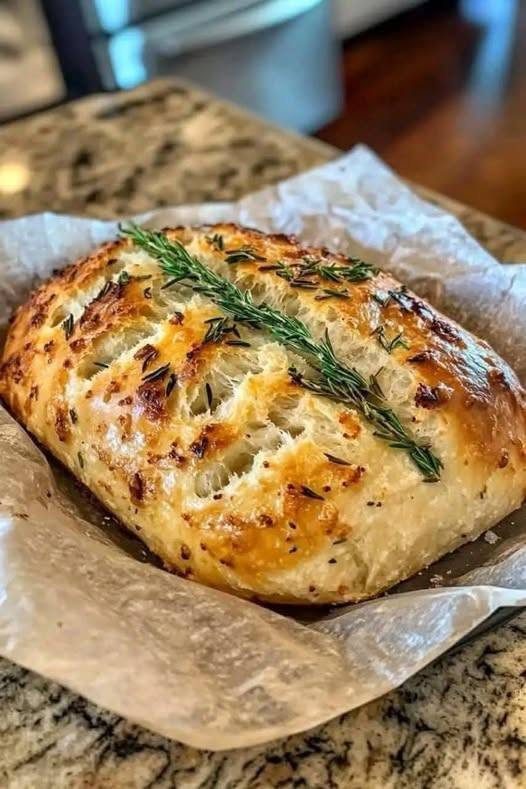

Ingredients
For the Bread
- 1 large French baguette or Italian loaf
- ½ cup unsalted butter, softened
- 4–6 garlic cloves, finely minced
- 2 tablespoons fresh parsley, finely chopped
- 1 teaspoon dried oregano
- 1 teaspoon dried Italian herbs
- ½ teaspoon dried basil
- ¼ teaspoon black pepper
- ¼ teaspoon salt, or to taste
- 1 tablespoon grated Parmesan cheese, optional
- 1 tablespoon olive oil, optional
Optional Cheese Topping
- ½ cup shredded mozzarella
- 2 tablespoons grated Parmesan
- Extra parsley for garnish
Choosing the Bread
The bread you choose makes a big difference.
A French baguette gives you crisp edges and a chewy center. Italian bread usually has a softer texture and works particularly well when you want a tender garlic bread.
Ciabatta is another excellent option because its open texture allows the garlic butter to settle into the bread.
Try to choose bread that is sturdy enough to hold the butter without becoming completely soggy.
Preparing the Garlic Butter
The garlic butter is the heart of this recipe.
Place the softened butter into a small bowl. Add the finely minced garlic, chopped parsley, oregano, Italian herbs, basil, black pepper, and salt.
Mix everything together thoroughly.
If you are using Parmesan, add it to the mixture and stir again.
The butter should look evenly seasoned, with the garlic and herbs distributed throughout.
Using softened butter is much easier than using cold butter because it spreads smoothly across the bread.
Step-by-Step Instructions
Step 1: Preheat the Oven
Preheat your oven to 375°F (190°C).
Allow the oven to heat fully before placing the garlic bread inside.
A properly preheated oven helps the bread cook evenly and allows the edges to become golden and crisp.
Step 2: Prepare the Baking Tray
Line a baking tray with parchment paper or aluminum foil.
This makes cleanup easier because some of the garlic butter may melt onto the tray during baking.
Place the prepared bread on the tray.
Step 3: Slice the Bread
Place the baguette or loaf on a cutting board.
Using a sharp bread knife, cut the loaf lengthwise if you want traditional open-faced garlic bread.
Alternatively, cut the loaf into thick slices, being careful not to cut completely through if you want the slices to remain connected.
The choice depends on how you want to serve the bread.
Step 4: Spread the Garlic Butter
Use a spoon, butter knife, or spatula to spread the garlic butter generously over the cut surface.
Make sure the butter reaches the edges.
If you have made individual slices, gently spread the butter into each slice.
Do not be afraid to add enough butter to cover the bread evenly.
Step 5: Add More Herbs
For an especially fragrant garlic bread, sprinkle a little extra dried oregano or parsley over the top.
You can also add a small pinch of chili flakes if you enjoy a little heat.
Step 6: Add Cheese
If making cheesy herb garlic bread, sprinkle mozzarella and Parmesan over the buttered surface.
Use enough cheese to create an even layer without completely covering the bread with an excessively thick coating.
Step 7: Wrap the Bread
For softer garlic bread, loosely wrap the loaf in aluminum foil before baking.
This traps some moisture and helps keep the center soft.
If you prefer a crispier surface, leave the bread uncovered from the beginning.
You can also bake it covered first and uncover it toward the end.
Step 8: Bake
Place the tray in the preheated oven.
Bake for approximately 10–15 minutes.
If the bread is wrapped in foil, bake it wrapped for most of this time.
Step 9: Uncover
Carefully open the foil because steam may escape.
Return the bread to the oven uncovered.
Bake for another 3–5 minutes, or until the top becomes golden and the edges are crisp.
For cheesy garlic bread, watch the cheese closely during this stage so it becomes melted and lightly golden.
Step 10: Broil for Extra Crispness
If you want a more golden top, you can briefly use the oven’s broiler or grill function.
Keep the bread under close observation because the top can brown quickly.
Remove it as soon as it reaches the level of browning you prefer.
Step 11: Garnish
Remove the garlic bread from the oven.
Sprinkle freshly chopped parsley over the top.
The fresh herbs add color and a fresh finishing flavor.
Step 12: Slice and Serve
Allow the bread to rest for a minute or two.
Cut it into individual pieces if you baked a whole loaf.
Serve warm while the butter is still melted and the bread is crisp around the edges.
Fresh Herbs vs. Dried Herbs
You can use either fresh or dried herbs.
Fresh parsley gives the bread a bright, fresh flavor and attractive appearance.
Dried oregano, basil, and Italian seasoning provide a stronger concentrated herb flavor and are convenient to keep in the pantry.
A combination of fresh parsley and dried herbs works particularly well.
You can also experiment with rosemary, thyme, chives, or cilantro depending on the meal you are serving.
Cheesy Herb Garlic Bread
For an extra indulgent version, add cheese.
Mozzarella melts beautifully and creates a stretchy topping. Parmesan adds a salty, nutty flavor.
For the best result, combine the two.
Spread the garlic butter over the bread, add mozzarella, sprinkle Parmesan on top, and bake until the cheese is melted and lightly golden.
Finish with fresh parsley.
Spicy Garlic Bread
If you enjoy a little heat, add crushed red pepper flakes to the garlic butter.
Start with a small amount and adjust according to your preference.
You can also add a pinch of paprika for additional flavor.
Extra-Garlicky Version
If you love garlic, increase the amount of fresh garlic.
Finely mince the garlic so it distributes evenly through the butter.
Roasted garlic can also be used for a softer and sweeter garlic flavor.
Tips for Perfect Herb Garlic Bread
Use Softened Butter
Softened butter spreads much more evenly than cold butter.
Mince the Garlic Finely
Large chunks of garlic can create uneven flavor. Finely minced garlic distributes throughout the butter.
Don’t Overbake
Garlic bread can quickly become dry if left in the oven too long.
Bake until the edges are crisp and the top is golden.
Watch the Broiler
If using the broiler, stay nearby and watch the bread carefully.
A minute or two can make a big difference.
Use Enough Herbs
Herbs should complement the garlic and butter without overpowering them.
Start with the recommended amounts and adjust in future batches.
What to Serve With Herb Garlic Bread
This garlic bread pairs with countless meals.
Serve it alongside:
- Spaghetti
- Lasagna
- Fettuccine Alfredo
- Tomato soup
- Creamy soups
- Chicken pasta
- Baked vegetables
- Grilled chicken
- Salads
- Tomato-based pasta dishes
- Vegetable soups
It is also delicious as a simple snack.
Storage
Garlic bread is best served fresh and warm.
If you have leftovers, allow them to cool and place them in an airtight container or wrap them well.
Reheat them in the oven or air fryer to help restore some of the crispness.
Avoid overheating because this can make the bread dry.
Make-Ahead Garlic Bread
You can prepare garlic bread ahead of time.
Make the garlic butter and spread it over the bread. Wrap the prepared loaf securely and refrigerate it until you are ready to bake.
When ready, allow it to sit out briefly while the oven preheats, then bake according to the recipe.
You can also freeze prepared garlic bread for longer storage. Wrap it securely and place it in a freezer-safe container or bag.
Frequently Asked Questions
Can I use olive oil instead of butter?
Yes. Olive oil can be used for a different flavor and texture. However, butter provides the classic rich garlic bread taste.
Can I use garlic powder?
Yes. Fresh garlic gives the strongest fresh flavor, but garlic powder is convenient when fresh garlic is unavailable.
Can I use whole-wheat bread?
Yes. Whole-wheat bread can be used, although its texture and flavor will be slightly different from traditional baguette-based garlic bread.
Can I make it without cheese?
Absolutely. The basic herb garlic bread does not require cheese.
How do I make the bread crispier?
Bake it uncovered and give it a few extra minutes at the end. You can also briefly use the broiler, watching carefully.
How do I keep it soft inside?
Wrap the bread loosely in foil during most of the baking time, then uncover it briefly at the end.
Final Thoughts
Homemade Herb Garlic Bread is one of those simple recipes that can make an ordinary meal feel special. The combination of warm bread, creamy butter, fresh garlic, and fragrant herbs creates an irresistible side dish with very little effort.
The recipe is easy to customize. Use your favorite bread, adjust the garlic, change the herbs, add cheese, or introduce a little spice. You can make it soft and buttery, crisp and golden, or somewhere in between.
For the best results, use softened butter, finely minced garlic, plenty of herbs, and a good-quality loaf. Bake until the edges are crisp and the top is golden, then finish with fresh parsley and serve immediately.
Whether you’re preparing pasta night, soup, a family dinner, or simply craving warm homemade bread, this Herb Garlic Bread is a delicious recipe to have on hand.