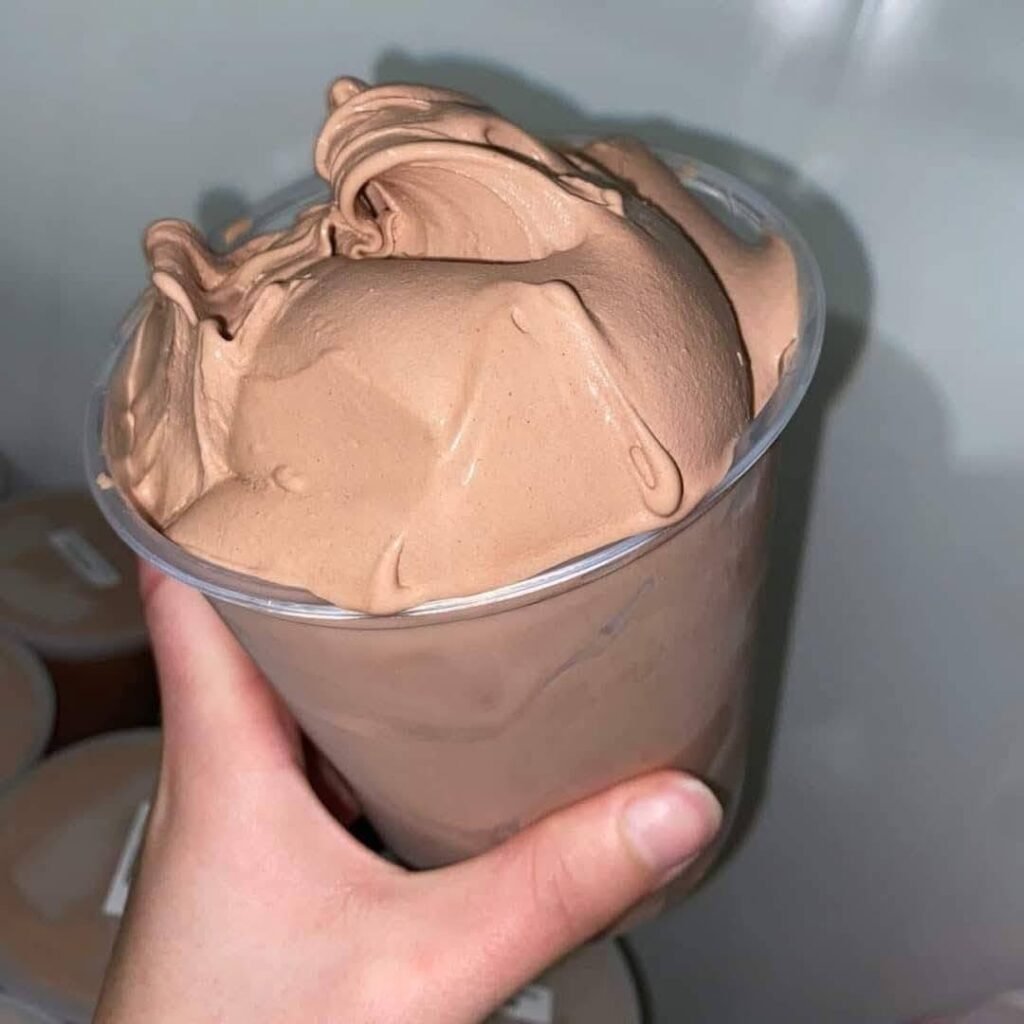

Classic chocolate mousse is one of those desserts that feels wonderfully luxurious while requiring surprisingly few ingredients. Rich chocolate, silky butter, fresh eggs, sugar, and a little cream come together to create a dessert that is light, airy, and deeply chocolatey. The secret is in the technique: melted chocolate must be handled carefully, egg whites need to be whipped to the right consistency, and everything should be folded gently so you do not lose the air that gives mousse its characteristic texture.
This traditional-style chocolate mousse is perfect for dinner parties, birthdays, romantic dinners, or simply when you want an elegant homemade dessert. It can be prepared ahead of time, making it especially convenient when you are entertaining guests.
Ingredients
For approximately 6 servings, you will need:
- 200 g (7 oz) good-quality dark chocolate, preferably 60–70% cocoa
- 3 large eggs, separated
- 2 tablespoons granulated sugar
- 1 tablespoon unsalted butter
- 120 ml (½ cup) heavy or whipping cream
- 1 teaspoon vanilla extract
- A small pinch of salt
- Chocolate shavings, cocoa powder, or fresh berries for decoration
The quality of the chocolate makes a noticeable difference in this recipe. Since chocolate is the main flavor, choose a chocolate that you genuinely enjoy eating. Dark chocolate with around 60–70% cocoa provides a balanced combination of richness and sweetness. If you use extremely dark chocolate, the finished mousse will have a more intense and slightly bitter flavor.
Equipment
You do not need specialized equipment, but having the following items will make the process easier:
- Heatproof mixing bowl
- Small saucepan
- Two medium mixing bowls
- Whisk
- Electric hand mixer or stand mixer
- Rubber spatula
- Six small dessert glasses, ramekins, or serving bowls
- Refrigerator
Make sure your mixing bowl and beaters are completely clean and dry before whipping the egg whites. Even a small amount of grease can make it difficult for the whites to whip properly.
Instructions
1. Prepare the Chocolate
Begin by chopping the dark chocolate into small, evenly sized pieces. Smaller pieces melt more quickly and evenly, reducing the chance of overheating.
Place the chopped chocolate and butter in a heatproof bowl. Set the bowl over a saucepan containing a small amount of gently simmering water. The bottom of the bowl should not touch the water.
Allow the chocolate and butter to melt slowly, stirring occasionally with a spatula or whisk. The chocolate should become smooth and glossy.
Once completely melted, remove the bowl from the heat and allow the chocolate mixture to cool slightly.
Do not allow the chocolate to become cold and solid again. It should remain fluid but should not be extremely hot when you add the egg yolks. Excessive heat can cause the yolks to scramble.
2. Separate the Eggs
Carefully separate the eggs, placing the yolks in one bowl and the whites in another.
It is important that no egg yolk gets into the whites. Egg yolk contains fat, and even a small amount can interfere with whipping the whites into a stable foam.
Set the egg whites aside for later.
3. Add the Egg Yolks
Add the three egg yolks to the slightly cooled melted chocolate. Stir gently until the mixture is smooth and thoroughly combined.
Add the vanilla extract and a small pinch of salt.
The salt does not make the mousse taste salty. Instead, it helps enhance the chocolate flavor and balances the sweetness.
At this stage, the chocolate mixture may become noticeably thicker. This is normal.
4. Whip the Cream
Pour the chilled heavy cream into a clean bowl.
Using an electric mixer, whip the cream until it reaches soft peaks. When you lift the beaters, the cream should form a peak that gently bends over.
Be careful not to over-whip it. You want soft, smooth whipped cream rather than stiff, grainy cream.
Place the whipped cream in the refrigerator while you prepare the egg whites.
5. Whip the Egg Whites
Now begin whipping the egg whites.
Use a clean, dry bowl and beat the whites on medium speed until they become foamy. Add the granulated sugar gradually while continuing to beat.
Increase the speed and continue whipping until the whites form medium-stiff peaks.
When you lift the beaters, the egg whites should hold their shape but still look smooth and glossy. They should not appear dry or clumpy.
This whipped egg white mixture is extremely important because it provides much of the light, airy texture associated with classic mousse.
6. Fold in the Whipped Cream
Take the chocolate mixture and add approximately one-third of the whipped cream.
Using a rubber spatula, gently fold the cream into the chocolate. Do not vigorously stir. The purpose of folding is to combine the ingredients while retaining as much air as possible.
Once the first portion has been incorporated, add the remaining whipped cream in two additions.
Continue folding gently until there are no obvious streaks of white cream.
7. Fold in the Egg Whites
Next, add about one-third of the whipped egg whites to the chocolate mixture.
Fold gently using broad movements with the spatula. Bring the spatula down through the center of the mixture, scoop underneath, and fold the chocolate over the whites.
Repeat until the first portion is mostly incorporated.
Add the remaining egg whites in two batches. Continue folding carefully until the mousse is evenly colored and there are no large visible streaks of egg white.
Avoid overmixing. The more aggressively you stir, the more air you lose, and the denser your mousse will become.
8. Portion the Mousse
Once the mixture is ready, spoon or pipe it into six small dessert glasses, ramekins, or serving bowls.
For a particularly neat presentation, transfer the mousse to a piping bag and pipe it into the serving glasses.
Smooth the tops with a small spatula or the back of a spoon if desired.
9. Chill
Cover the individual portions and place them in the refrigerator.
Allow the mousse to chill for at least 4 hours. For the best texture and flavor, you can prepare it the day before and refrigerate it overnight.
During chilling, the chocolate and butter firm up while the air incorporated from the whipped cream and egg whites remains suspended throughout the mixture. This gives the dessert its characteristic creamy yet airy consistency.
Serving Suggestions
Classic chocolate mousse is delicious on its own, but a simple garnish can make it look especially elegant.
Try topping each serving with:
- Finely grated dark chocolate
- Chocolate curls
- A dusting of unsweetened cocoa powder
- Fresh strawberries or raspberries
- A few blueberries
- Lightly whipped cream
- Fresh mint leaves
- Toasted chopped hazelnuts or almonds
For a dinner party, chocolate curls and a few fresh raspberries provide a beautiful contrast against the dark mousse.
You can also serve the mousse with thin butter cookies or crisp shortbread on the side. The contrast between the creamy mousse and crunchy biscuit makes each bite more interesting.
Tips for Perfect Chocolate Mousse
Choose Good Chocolate
Because chocolate is the dominant ingredient, quality matters. A good dark chocolate produces a much more sophisticated flavor than inexpensive chocolate containing lots of sugar.
For a traditional mousse, chocolate containing approximately 60–70% cocoa is an excellent starting point.
Don’t Overheat the Chocolate
Chocolate can burn or seize if heated too aggressively. Gentle melting over simmering water is one of the safest methods.
Make sure steam or water does not come into contact with the chocolate. Even a small amount of water can cause melted chocolate to seize and become thick and grainy.
Cool the Chocolate Before Adding Yolks
The chocolate should be warm but not piping hot when you combine it with the egg yolks. If it is too hot, the yolks can begin to cook.
If your chocolate mixture feels very hot to the touch, wait a few minutes before proceeding.
Use Fresh Eggs
Fresh eggs generally provide better volume when whipped. Since this recipe uses eggs that are not fully cooked, use clean, fresh, properly refrigerated eggs from a reliable source.
If you are preparing mousse for young children, older adults, pregnant people, or anyone with a weakened immune system, consider using pasteurized eggs or an egg-free mousse recipe instead.
Fold, Don’t Stir
This is perhaps the most important technique in the recipe.
Whipped cream and egg whites contain tiny air bubbles. Those bubbles are what make mousse light. Vigorous stirring breaks them down.
Use a rubber spatula and fold slowly and gently.
Don’t Skip the Chilling Time
Freshly prepared mousse may seem softer than expected. Do not worry. Refrigeration allows the chocolate and butter to firm and gives the mousse time to develop its final texture.
Four hours is a good minimum, while overnight chilling is even better for convenience and flavor.
Common Problems and How to Fix Them
Why Is My Mousse Too Dense?
The most common reason is overmixing. If the whipped cream or egg whites are folded too aggressively, the air escapes and the mousse becomes heavy.
Next time, fold more gently and stop as soon as everything is evenly incorporated.
Why Did My Chocolate Become Grainy?
Chocolate can become grainy when it overheats or comes into contact with water. Melt it slowly and keep the bowl and utensils completely dry.
If the chocolate has only slightly thickened, gently warming it may help, but badly seized chocolate can be difficult to recover.
Why Isn’t My Egg White Foam Stiff?
The bowl or beaters may contain traces of grease, or there may be egg yolk mixed into the whites. Make sure your equipment is clean and completely dry.
Adding the sugar gradually rather than all at once can also help create a smooth, stable foam.
Can I Make It Less Bitter?
Absolutely. Choose chocolate with a lower cocoa percentage, such as 55–60%, or increase the sugar slightly.
Keep in mind that the sweetness of the final mousse also depends on the chocolate you use, so taste preferences can vary.
Variations
Once you are comfortable with the classic recipe, you can customize it in several ways.
For a coffee chocolate mousse, dissolve 1 teaspoon of instant espresso powder in the melted chocolate. Coffee intensifies the chocolate flavor without necessarily making the dessert taste strongly of coffee.
For an orange chocolate mousse, add a small amount of finely grated orange zest to the chocolate mixture. Orange and dark chocolate make a classic combination.
For a mint chocolate mousse, add a small amount of peppermint extract. Use it sparingly because peppermint extract can become overpowering very quickly.
For a hazelnut version, fold a spoonful of hazelnut spread into the melted chocolate before incorporating the whipped ingredients.
You can also layer the mousse with crushed cookies, berries, or a thin layer of whipped cream to create an attractive dessert parfait.
Storage
Chocolate mousse should be kept refrigerated in covered containers or covered serving glasses.
For the best quality, enjoy it within 1–2 days. Keep it chilled until shortly before serving.
Because this traditional recipe contains eggs and dairy, avoid leaving it at room temperature for extended periods, particularly in warm weather.
Frequently Asked Questions
Can I make chocolate mousse the day before?
Yes. In fact, preparing it the day before is an excellent idea. Overnight refrigeration gives the mousse plenty of time to set and allows you to prepare dessert well before your guests arrive.
Can I freeze chocolate mousse?
It is possible, although freezing can change the texture. The mousse may become slightly less airy after thawing. If you want the best classic mousse texture, refrigeration is preferable.
Can I use milk chocolate?
Yes, but the result will be sweeter and less intensely chocolatey. If using milk chocolate, you may want to reduce the added sugar.
Can I use semi-sweet chocolate?
Yes. Semi-sweet chocolate works very well and is a good option if you prefer a slightly sweeter mousse.
How do I make the presentation more elegant?
Serve the mousse in small glass cups or wine glasses and garnish with chocolate shavings and a few berries. Keeping the portions relatively small also emphasizes the dessert’s richness.
Final Thoughts
A classic chocolate mousse is proof that an impressive dessert does not require a long list of ingredients. The real magic comes from technique: gently melting quality chocolate, whipping the cream and egg whites correctly, and folding everything together without losing the precious air.
The finished mousse should be smooth, rich, and intensely chocolatey, yet light enough to melt on your tongue. Give it several hours to chill, add a simple garnish, and you have an elegant dessert that is suitable for everything from a casual family meal to a special celebration.
Once you master this basic recipe, it becomes an excellent foundation for experimentation. Try coffee, orange, hazelnut, berries, or different varieties of chocolate to create your own favorite version. For the most traditional result, however, keep things simple and let the chocolate take center stage.