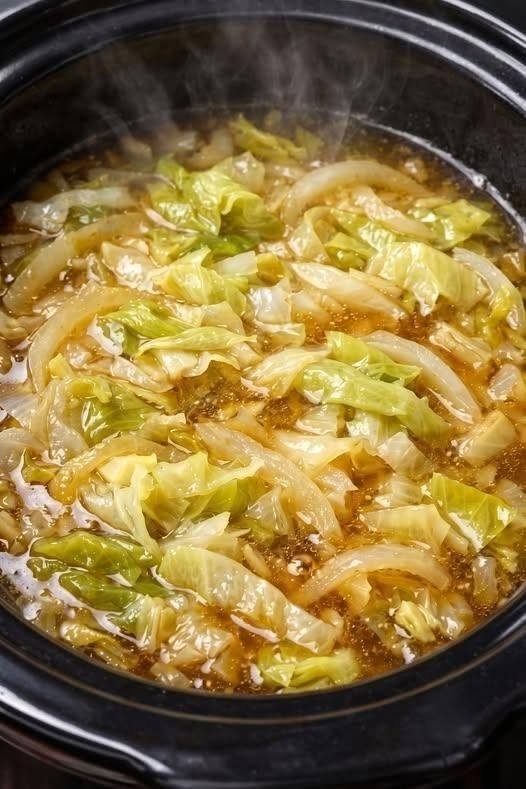

Ingredients
Use fresh vegetables and a good-quality broth for the best flavor.
Vegetables
1 medium green cabbage, about 800 g, cored and roughly chopped3 large onions, thinly sliced2 medium carrots, peeled and diced2 medium potatoes, peeled and cut into small cubes4 garlic cloves, finely minced
Soup base and seasonings
2 tablespoons olive oil or butter8 cups (1.9 liters) vegetable broth or chicken broth2 tablespoons tomato paste1 teaspoon dried thyme1 bay leaf1/2 teaspoon smoked paprika, optional1/2 teaspoon freshly ground black pepper, or to taste1 teaspoon salt, adjusted to taste1 tablespoon apple cider vinegar or fresh lemon juice
For serving
2 tablespoons chopped fresh parsleyCrusty bread or toasted sourdough slicesA drizzle of extra-virgin olive oil, optional
0 of 17 ingredients ready Reset
Instructions
Step 1: Slowly soften the onions
15–20 minutes
Place a large heavy-bottomed pot or Dutch oven over medium-low heat. Add the olive oil or butter, followed by the sliced onions and a small pinch of salt. Stir to coat the onions evenly, then cook gently for 15–20 minutes, stirring occasionally. The onions should become soft, golden, and lightly caramelized. If they begin to brown too quickly, reduce the heat and add a tablespoon of water. This slow cooking stage builds the soup’s signature sweetness and rich flavor.
Step 2: Add the garlic and aromatics
3–4 minutes
Stir the minced garlic into the softened onions and cook for about 30–60 seconds, just until fragrant. Add the diced carrots, tomato paste, dried thyme, smoked paprika if using, and black pepper. Stir well so the tomato paste coats the vegetables. Allow the mixture to cook for another 2–3 minutes. This brief step deepens the savory flavor and helps the seasonings blend beautifully.
Step 3: Add the cabbage and potatoes
5 minutes
Add the chopped cabbage and cubed potatoes to the pot. At first, the cabbage may look like too much, but it will shrink as it cooks. Toss everything together for several minutes, allowing the cabbage to begin softening and absorb the onion mixture. If your pot is small, add the cabbage in batches, stirring as each handful wilts.
Step 4: Pour in the broth
5 minutes
Pour in the vegetable or chicken broth, scraping the bottom of the pot with a wooden spoon to release any flavorful browned bits. Add the bay leaf and remaining salt. Bring the mixture to a gentle boil over medium heat, then immediately reduce the heat to low. The liquid should barely bubble rather than boil vigorously. This gentle simmer is essential for a mellow, well-balanced soup.
Step 5: Slow-cook until tender
35–45 minutes
Cover the pot partially and simmer over low heat for 35–45 minutes, stirring every 10–15 minutes. The cabbage should become silky and tender, the potatoes soft, and the broth infused with the sweetness of the onions. If the soup becomes thicker than you prefer, add a little hot water or broth. For a deeper, more blended flavor, continue simmering for another 10–15 minutes, checking that the vegetables retain enough texture.
Step 6: Finish and season
3–5 minutes
Remove the bay leaf. Stir in the apple cider vinegar or lemon juice to brighten the earthy, savory flavors. Taste the broth and adjust the salt and pepper as needed. If you prefer a slightly richer finish, add a small drizzle of olive oil. Sprinkle the chopped parsley over the soup just before serving to provide freshness and color.
Tips for the best rustic cabbage soup
- Take your time with the onions. Cooking them slowly is the secret to a naturally sweet and flavorful broth. Avoid rushing this step over high heat.
- Choose the right cabbage. Green cabbage works especially well because it becomes tender and mellow during simmering. Savoy cabbage is another excellent choice.
- Keep the simmer gentle. A rolling boil can break down the vegetables too quickly and make the soup less appealing.
- Balance the flavor at the end. A small amount of vinegar or lemon juice makes the soup taste brighter without making it noticeably sour.
- Make it your own. Add white beans for extra protein, celery for a more aromatic base, or a pinch of chili flakes for gentle heat. For a heartier non-vegetarian version, add cooked shredded chicken or sliced smoked sausage.
Serving suggestions
Serve the soup piping hot in deep bowls, finished with freshly chopped parsley and cracked black pepper. Thick slices of toasted sourdough, farmhouse bread, or garlic toast are ideal for soaking up the flavorful broth. For a fuller meal, pair it with a simple green salad or a grilled cheese sandwich.
This soup also tastes wonderful the following day. As it rests, the onions, cabbage, herbs, and broth have more time to mingle, producing an even rounder flavor. Refrigerate leftovers promptly in an airtight container and use within 3–4 days. Reheat gently on the stove, adding a splash of broth or water if necessary. You can also freeze the soup in individual portions for up to 3 months; potatoes may soften further after thawing, but the flavor will remain delicious.
Nutritional information
Approximate values per serving, based on 6 servings and vegetable broth.
| Nutrient | Amount |
|---|---|
| Calories | 180–220 kcal |
| Carbohydrates | 28–32 g |
| Protein | 4–6 g |
| Fat | 6–8 g |
| Fiber | 7–9 g |
Actual nutrition varies with the size of the vegetables, broth, and amount of oil used.
Final thoughts
Slow-cooked rustic cabbage and onion soup celebrates the beauty of uncomplicated cooking. Tender cabbage, sweet onions, soft potatoes, and fragrant herbs come together in a warming broth that feels both comforting and satisfying. The ingredients are inexpensive, preparation is straightforward, and the recipe is flexible enough to accommodate whatever vegetables you have on hand.
Whether served as a light lunch, a cozy supper, or a starter for a family meal, this soup brings homemade comfort to the table. Let the pot simmer slowly, season thoughtfully, and finish with a little fresh acidity and parsley. The result is a rustic, nourishing dish that proves a handful of everyday ingredients can create something wonderfully memorable.