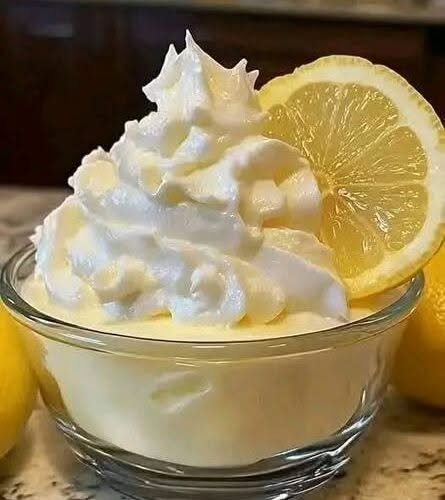

Ingredients
This recipe makes four individual servings.
Check off each ingredient as you prepare it.
Plain nonfat Greek yogurt
1 cup (240 g)
Cold heavy whipping cream
1/2 cup (120 ml)
Fresh lemon juice
3 tablespoons
Finely grated lemon zest
1–2 teaspoons
Powdered sugar or powdered sweetener
2–3 tablespoons, to taste
Unflavored powdered gelatin
1 teaspoon
Cold water
2 tablespoons
Vanilla extract
1/2 teaspoon
Salt
A tiny pinch
Ingredient notes
- Greek yogurt: Choose plain, nonfat Greek yogurt for a creamy texture with extra protein and fewer calories than full-fat alternatives.
- Whipping cream: A small amount helps create the classic mousse texture. For an even lighter version, use a whipped light topping, checking its nutrition label.
- Sweetener: Powdered sugar dissolves easily, while a powdered calorie-free sweetener can reduce the calories further. Adjust the quantity to your taste.
- Lemon: Freshly squeezed juice and freshly grated zest provide the best flavor. Avoid grating the bitter white pith beneath the yellow skin.
- Gelatin: This helps the mousse set while keeping the mixture soft and spoonable.
Instructions
Step 1: Prepare the lemon mixture
Place the lemon juice and zest in a small bowl. Add the vanilla extract and a tiny pinch of salt. Stir well and set aside. Taste the lemon mixture if desired; it should be pleasantly tart because the yogurt and sweetener will balance its sharpness.
Step 2: Bloom the gelatin
Sprinkle the gelatin evenly over two tablespoons of cold water in a small heatproof bowl. Let it stand for five minutes until it absorbs the water and becomes spongy. Gently warm it in short intervals until dissolved, without boiling. Allow it to cool until just lukewarm.
Step 3: Mix the yogurt base
Add the Greek yogurt and powdered sugar or sweetener to a medium bowl. Whisk until smooth and creamy, with no lumps. Stir in the lemon mixture. Gradually whisk a spoonful of the yogurt mixture into the dissolved gelatin, then slowly stir the gelatin mixture back into the remaining yogurt. This helps prevent lumps.
Step 4: Whip the cream
Using a chilled bowl and whisk or electric mixer, beat the cold whipping cream until soft peaks form. The cream should hold its shape gently but remain smooth. Avoid overwhipping, as stiff or grainy cream will be harder to fold into the yogurt mixture.
Step 5: Fold everything together
Add one-third of the whipped cream to the lemon yogurt mixture and stir gently to lighten it. Fold in the remaining cream with a spatula, using slow movements from the bottom of the bowl to the top. Stop as soon as the mixture is evenly combined to preserve as much air as possible.
Step 6: Portion and chill
Divide the mousse between four small glasses, ramekins, or dessert bowls. Smooth the tops if desired. Cover and refrigerate for two to three hours, or until set. For the best texture, keep the mousse chilled until serving.
Step 7: Garnish and serve
Just before serving, add a little lemon zest, a thin lemon slice, or a small mint leaf. Keep garnishes light to maintain the lower-calorie character of the dessert. Serve immediately while the mousse is cold and airy.
Nutritional information
The following values are estimates per serving, assuming the recipe is divided into four portions and made with nonfat Greek yogurt, regular whipping cream, and approximately two tablespoons of powdered sugar.
Estimated calories
120–150 kcal
Per serving
Protein
5–7 g
Carbohydrates
8–12 g
Fat
7–10 g
Added sugar
Varies
Actual nutrition will vary with the yogurt brand, cream fat percentage, sweetener, and serving size. A calorie-free sweetener can reduce the energy content, while substituting light whipped topping may change the fat, sugar, and calorie values.
Tips for the best lemon mousse
- For a stronger lemon flavor: Add an extra half teaspoon of zest instead of a large amount of juice, which can make the mousse too sharp or affect its texture.
- For a sweeter dessert: Add sweetener gradually and taste before folding in the whipped cream.
- For a fluffier mousse: Make sure the cream is cold and fold it in gently rather than beating the completed mixture.
- For a vegetarian alternative: Use an appropriate amount of agar-agar according to the product instructions. It behaves differently from gelatin and may produce a firmer texture.
- For meal preparation: Make the mousse a day ahead and store it covered in the refrigerator. For best quality, consume within two to three days.
Serving suggestions
Serve the mousse on its own for a light dessert, or pair it with fresh strawberries, blueberries, or raspberries. A few crushed plain biscuits can add crunch, although they will increase the calorie count. For a dinner party, serve the mousse in small glass cups with a fine dusting of lemon zest for an attractive finish.
This recipe is also easy to adapt. You can experiment with lime zest, a little orange zest, or a few crushed fresh berries while keeping the basic yogurt-and-cream method unchanged.
Storage and food safety: Keep the mousse refrigerated at or below 4°C (40°F), and do not leave it at room temperature for more than two hours. If serving outdoors in hot weather, keep the portions on ice until ready to eat.
Conclusion
This lower-calorie lemon mousse combines the tang of fresh lemon with creamy Greek yogurt and softly whipped cream to create a refreshing dessert without the heaviness of traditional mousse. Its simple preparation, adjustable sweetness, and make-ahead convenience make it a lovely choice for everyday treats or special occasions. For the lightest version, use nonfat Greek yogurt and a calorie-free powdered sweetener, and serve modest portions topped with fresh berries or lemon zest.