
Ingredients
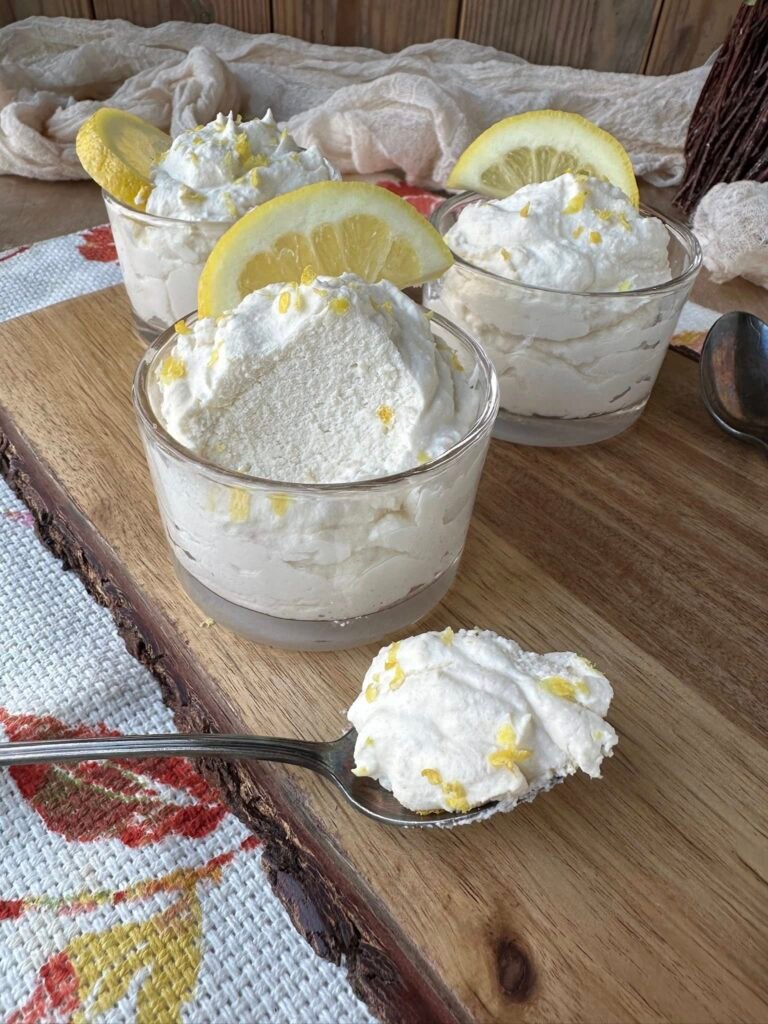
These ingredients create a smooth, rich cheesecake mousse with a bright lemon flavor and a delicate biscuit base.
For the cheesecake mousse
- 225 g (8 oz) full-fat cream cheese, softened
- 240 ml (1 cup) cold heavy whipping cream
- 100 g (½ cup) powdered sugar, sifted
- 2 tablespoons fresh lemon juice
- 1 tablespoon finely grated lemon zest
- 1 teaspoon vanilla extract
- A tiny pinch of salt, optional
For the biscuit base
- 100 g (about 1 cup) graham cracker or digestive biscuit crumbs
- 40 g (3 tablespoons) unsalted butter, melted
- 1 teaspoon sugar, optional
For the topping
- Extra whipped cream, as desired
- Thin lemon slices or small lemon wedges
- A little freshly grated lemon zest
- Crushed biscuits, optional
Instructions
Step 1: Prepare the biscuit base
Place the biscuits in a food processor and pulse until they become fine crumbs. If you do not have a food processor, put the biscuits in a sealed bag and crush them with a rolling pin. Transfer the crumbs to a bowl and mix with the melted butter until evenly coated. Divide the mixture between six dessert glasses, gently pressing it down with the back of a spoon. Refrigerate while preparing the mousse.
Step 2: Beat the cream cheese
Allow the cream cheese to soften at room temperature for about 30 minutes. Place it in a large mixing bowl and beat with an electric mixer until smooth and creamy. Add the sifted powdered sugar gradually and continue beating until the mixture is light, with no visible lumps. Scrape down the sides of the bowl as needed. Starting with softened cream cheese is essential for achieving the velvety texture that makes this dessert special.
Step 3: Add the lemon flavor
Pour the fresh lemon juice into the cream cheese mixture, then add the finely grated lemon zest, vanilla extract, and optional pinch of salt. Mix on low speed until everything is thoroughly combined. Taste the mixture and adjust the lemon flavor if necessary. For a stronger citrus aroma, add a little more zest rather than too much juice, since excess liquid can make the mousse softer.
Step 4: Whip the cream
Pour the cold heavy whipping cream into a separate chilled bowl. Using clean beaters, whip until medium-stiff peaks form. The cream should hold its shape but remain smooth and supple, not grainy. Avoid overwhipping, as this can cause the cream to separate and create a less pleasant texture. Properly whipped cream gives the cheesecake mixture its light, airy consistency.
Step 5: Fold the mousse together
Add about one-third of the whipped cream to the lemon cream cheese mixture and stir gently to loosen it. Add the remaining whipped cream in two batches, folding with a spatula using slow movements from the bottom of the bowl to the top. Continue just until no large white streaks remain. Avoid vigorous stirring, which can deflate the cream and make the mousse dense instead of fluffy.
Step 6: Fill the dessert glasses
Spoon the mousse over the chilled biscuit bases, or transfer it to a piping bag and pipe it neatly into the glasses. Smooth the tops with a spoon or spatula. Tap each glass very gently on the counter to settle any large air pockets without losing the mousse’s fluffy texture. Leave a little room at the top for the garnish.
Step 7: Chill until set
Cover the glasses loosely and refrigerate for at least 3–4 hours. This resting time allows the mousse to firm up and the lemon flavor to develop. For the best texture, prepare the dessert the evening before serving and leave it in the refrigerator overnight. Keep the glasses chilled until you are ready to decorate and serve them.
Step 8: Garnish and serve
Just before serving, add a swirl of whipped cream to each glass. Sprinkle with fresh lemon zest and a few biscuit crumbs, then finish with a small lemon slice if desired. Serve immediately while cold. Each spoonful should combine the creamy, tangy mousse with the buttery crunch of the base for a refreshing cheesecake-inspired dessert.
Tips for the perfect lemon cheesecake mousse
- Use full-fat cream cheese: It provides the richness and structure needed for a smooth mousse. Reduced-fat varieties may result in a softer filling.
- Choose fresh lemons: Fresh juice and zest give the dessert a brighter flavor than bottled juice. Grate only the yellow outer peel, avoiding the bitter white pith.
- Keep the cream cold: Cold cream whips more easily and holds its volume better.
- Fold gently: Mixing too aggressively removes air from the whipped cream, making the mousse heavier.
- Balance the sweetness: If you prefer a more tart dessert, add a little extra zest and adjust the lemon juice cautiously.
- Allow enough chilling time: The mousse tastes better and holds its shape more effectively after several hours in the refrigerator.
Delicious variations
Blueberry lemon mousse
Add a spoonful of cooled blueberry compote between the biscuit base and mousse, or scatter fresh blueberries on top. Their natural sweetness complements the citrus flavor beautifully.
Extra-crunchy cheesecake mousse
Add another thin layer of buttery biscuit crumbs between the mousse layers. This creates a more pronounced cheesecake-base flavor and a satisfying contrast in texture.
White chocolate lemon mousse
Fold a small amount of cooled, melted white chocolate into the cream cheese mixture before adding the whipped cream. Reduce the powdered sugar slightly if you prefer a less sweet finish.
Storage and serving suggestions
Store the mousse covered in the refrigerator and enjoy it within 2–3 days for the best quality. Keep it refrigerated until serving, and avoid leaving it at room temperature for extended periods because it contains dairy. Freezing is possible, but thawing may change its delicate, airy texture.
Serve this dessert after a rich meal, alongside fresh berries, or with a cup of tea or coffee. For celebrations, use small clear glasses to show off the biscuit base and creamy filling. You can also prepare the mousse in one larger serving bowl instead of individual portions.
Frequently asked questions
Can I make lemon cheesecake mousse without gelatin?
Yes. This recipe relies on whipped cream, cream cheese, and refrigeration for its structure, so gelatin is not necessary when the ingredients are measured correctly and the mousse is chilled thoroughly.
Can I use whipping cream instead of heavy cream?
Yes, provided the cream has enough fat to whip and hold peaks. Cream with approximately 30–36% fat generally works well. Lower-fat cream may not provide the same stability.
Why is my mousse too runny?
Common reasons include cream that was not whipped enough, cream cheese that was too warm, excess lemon juice, or insufficient chilling. Refrigerate it longer before serving and make sure the cream reaches medium-stiff peaks next time.
Can I prepare it a day in advance?
Absolutely. Preparing the mousse the day before is a convenient way to save time when entertaining. Add fresh lemon slices and whipped cream shortly before serving for the most attractive presentation.
Final thoughts
Creamy Lemon Cheesecake Mousse is an easy, elegant no-bake dessert that brings together the richness of cheesecake and the refreshing taste of lemon in a light, fluffy filling. With its buttery biscuit base, silky texture, and bright citrus finish, it is ideal for summer gatherings, birthdays, dinner parties, or a simple weekend treat.
Follow the steps carefully, use fresh ingredients, and give the mousse enough time to chill. The result is a beautiful dessert that looks impressive, tastes wonderfully balanced, and can be prepared ahead of time with very little effort.