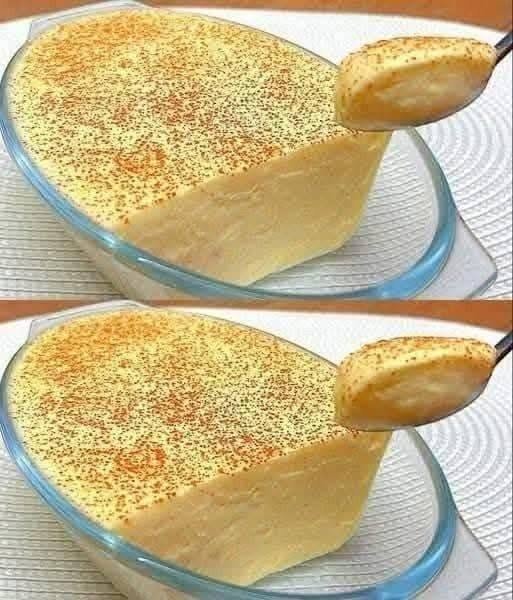

Ingredients
This recipe combines everyday baking staples with lighter alternatives. For the best flavor, use fresh lemons and good-quality ricotta cheese.
Wet ingredients
- 1 cup (250 g) part-skim ricotta cheese
- 3 large eggs, at room temperature
- ⅓ cup (80 ml) extra-virgin olive oil or light olive oil
- ½ cup (100 g) granulated sugar
- 2 tablespoons fresh lemon juice
- Zest of 2 medium lemons
- 1 teaspoon pure vanilla extract
Dry ingredients
- 1 cup (125 g) all-purpose flour
- ½ cup (60 g) whole-wheat pastry flour
- 1½ teaspoons baking powder
- ¼ teaspoon baking soda
- ¼ teaspoon salt
Optional toppings
- 1 teaspoon powdered sugar for a light dusting
- Thin lemon slices for decoration
- 1 tablespoon sliced almonds for extra crunch
Ingredient note: If you prefer a softer, more delicate cake, use 1½ cups all-purpose flour instead of combining all-purpose and whole-wheat flour. Whole-wheat pastry flour works especially well because it adds some fiber without making the crumb too dense.
Instructions: How to Make Healthy Lemon Ricotta Cake
Step 1: Prepare the oven and cake pan
Preheat your oven to 175°C (350°F). Lightly grease an 8-inch (20 cm) round cake pan with olive oil or cooking spray, then line the bottom with parchment paper. This helps prevent sticking and makes removing the finished cake much easier.
Step 2: Combine the wet ingredients
In a large mixing bowl, whisk the eggs and sugar for about 2 minutes until the mixture looks lighter and slightly fluffy. Add the ricotta cheese, olive oil, lemon juice, lemon zest, and vanilla extract. Whisk until the ingredients are evenly combined.
A few tiny ricotta lumps are perfectly fine, but avoid leaving large clumps. The mixture should look creamy and smell wonderfully fresh.
Step 3: Mix the dry ingredients
In a separate bowl, stir together the all-purpose flour, whole-wheat pastry flour, baking powder, baking soda, and salt. Mixing these ingredients separately distributes the leavening agents evenly, helping the cake rise consistently.
Step 4: Make the batter
Gradually add the dry ingredients to the wet mixture. Use a spatula or wooden spoon to fold everything together until no dry flour remains visible.
Do not overmix the batter. Excessive mixing can develop gluten and make the cake less tender. The finished batter should be thick, smooth, and easy to spread.
Step 5: Bake the cake
Pour the batter into the prepared pan and gently smooth the surface. Place it on the center rack of the preheated oven and bake for 35–45 minutes.
Start checking at around 35 minutes. The cake is ready when the top is lightly golden, the center springs back gently when touched, and a toothpick inserted into the middle comes out clean or with a few moist crumbs.
Step 6: Cool before serving
Let the cake rest in its pan for 10–15 minutes before carefully removing it. Transfer it to a wire rack and allow it to cool completely.
Cooling helps the delicate ricotta crumb set properly. Finish with a light dusting of powdered sugar, a little extra lemon zest, or a few sliced almonds before serving.
What Makes This Cake a Healthier Choice?
This recipe focuses on balance rather than eliminating every indulgent ingredient.
- Ricotta cheese: Provides protein and calcium while contributing moisture and a creamy texture. Part-skim ricotta is a good option if you want to reduce saturated fat.
- Olive oil: Replaces butter and provides predominantly unsaturated fats. It also helps keep the cake moist for longer.
- Moderate sugar: Half a cup sweetens the cake without making it excessively sugary. You can reduce it slightly, although the texture and flavor may change.
- Whole-wheat flour: Adds some dietary fiber and a nuttier flavor. Using pastry flour keeps the crumb relatively tender.
- Fresh lemons: Deliver natural citrus aroma and brightness, allowing the cake to taste flavorful without requiring rich icing or heavy toppings.
Although these ingredients can improve the nutritional balance, this is still a cake containing flour, sugar, eggs, and oil. It is best enjoyed as part of a varied, balanced diet.
Tips for the Perfect Lemon Ricotta Cake
Use room-temperature ingredients. Eggs and ricotta blend more easily when they are not cold, creating a more uniform batter.
Choose fresh lemon zest. Most of the lemon’s fragrant oils are found in the yellow outer peel. Grate only the yellow layer because the white pith underneath can taste bitter.
Avoid overbaking. Ricotta cakes should be moist and tender. Baking too long can dry out the edges, so check early and adjust according to your oven.
Measure flour carefully. Too much flour can make the cake heavy. For accuracy, use a kitchen scale or spoon the flour into a measuring cup and level it without packing it down.
Allow enough cooling time. The cake may seem delicate when hot, but it becomes easier to slice as it cools.
Healthy Variations to Try
- Lower-sugar version: Reduce the sugar to ⅓ cup if you enjoy a more tangy cake. Expect a slightly less tender result.
- Gluten-free version: Use a suitable gluten-free baking flour blend designed for cakes, following its recommended substitution ratio.
- Almond-lemon version: Replace ¼ cup of the flour with finely ground almond flour for a delicate texture and subtle nutty flavor.
- Berry version: Fold in ½ cup of fresh blueberries. Pat them dry first and toss them with a teaspoon of flour to help distribute them through the batter.
- Extra-lemon version: Add another teaspoon of zest rather than substantially increasing the lemon juice, which can alter the batter’s moisture balance.
Storage and Serving Suggestions
Store leftover cake in an airtight container in the refrigerator for up to 4 days because of its fresh ricotta content. Bring individual slices toward room temperature before serving for the best texture and flavor.
You can also freeze individual slices, tightly wrapped, for up to 2 months for best quality. Thaw them overnight in the refrigerator.
Serve a slice with fresh strawberries, raspberries, plain Greek yogurt, or a cup of unsweetened tea. For a simple dessert platter, add fresh lemon slices and a few mint leaves.
Frequently Asked Questions
Can I make this cake without butter?
Yes. This recipe uses olive oil instead of butter, which helps create a moist crumb and adds unsaturated fats.
Can I use full-fat ricotta?
Absolutely. Full-fat ricotta makes the cake richer and creamier. Part-skim ricotta is a lighter alternative, but both work well.
Why did my cake sink in the middle?
A cake may sink if it is underbaked, the oven door is opened too early, or too much leavening is used. Check that your baking powder is fresh and wait until the center is set before removing the cake from the oven.
Can I prepare it a day ahead?
Yes. In fact, the lemon flavor often becomes more pronounced after several hours. Refrigerate the cooled cake and serve it at room temperature or slightly chilled.
Final Thoughts
Healthy lemon ricotta cake is proof that a homemade dessert can be both comforting and thoughtfully prepared. Its tender texture, delicate sweetness, and bright lemon flavor make it an excellent alternative to heavier frosted cakes. Ricotta provides creaminess, olive oil contributes moisture, and a touch of whole-wheat flour adds extra fiber.
Whether you serve it at brunch, enjoy it with afternoon tea, or share it with family after dinner, this simple cake is a lovely way to bring fresh citrus flavor to your table. For the best results, use fresh lemons, avoid overmixing, and let the cake cool before slicing.
One slice offers a little sweetness, a refreshing lemon aroma, and a delicious homemade treat worth making again.