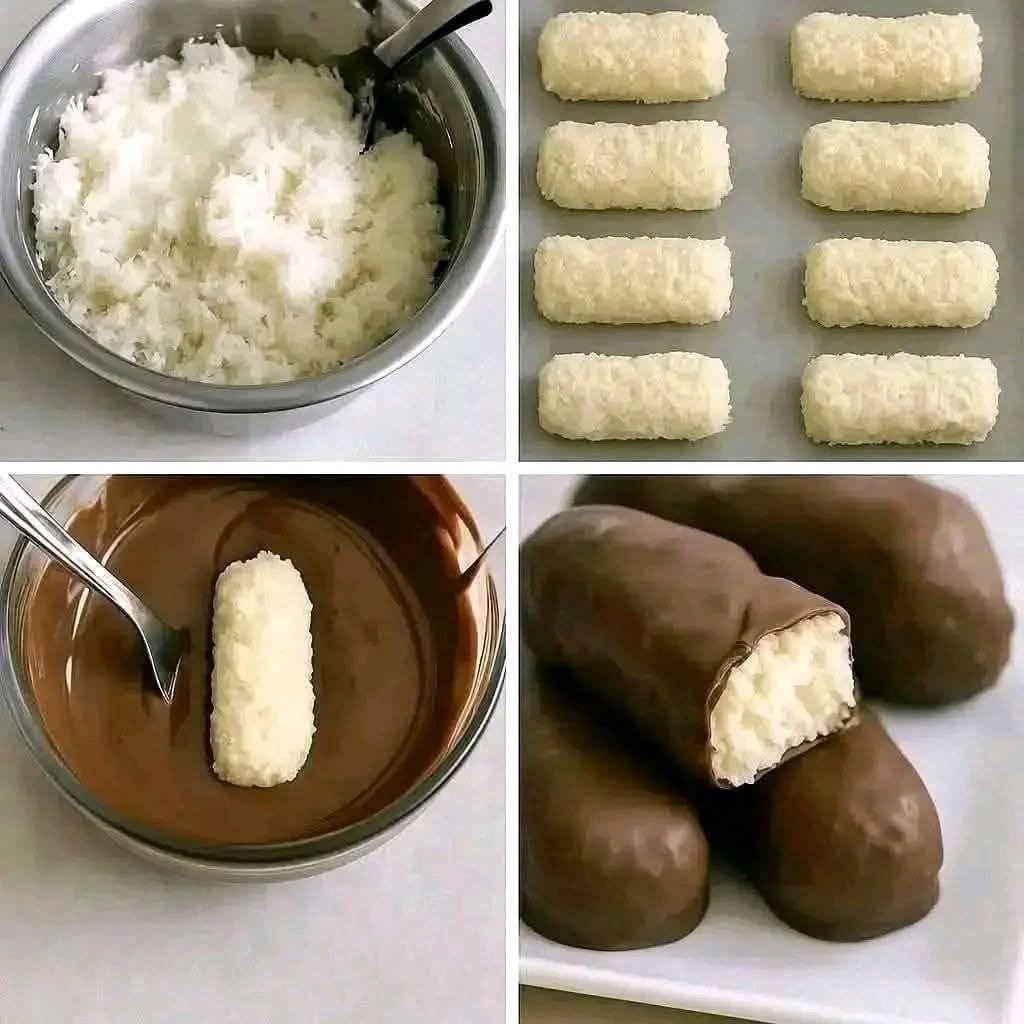

Ingredients
- 1 cup unsweetened shredded coconut
- ½ cup unsweetened almond butter or peanut butter
- ¼ cup unsweetened cocoa powder
- 3 tablespoons powdered erythritol or another low-carb sweetener
- 2 tablespoons melted coconut oil
- 1 teaspoon vanilla extract
- ¼ teaspoon salt
- 2–3 tablespoons unsweetened almond milk or coconut milk, as needed
- 2 tablespoons finely chopped almonds or walnuts, optional
- 1 tablespoon unsweetened shredded coconut, for coating
- 1–2 tablespoons sugar-free dark chocolate chips, optional
Choosing the Ingredients
Because this recipe contains only a handful of ingredients, the quality and type of each one can make a noticeable difference.
Start with unsweetened shredded coconut. Sweetened coconut contains added sugar and can significantly increase the carbohydrate content of the bites. Fine or medium shredded coconut works well, depending on whether you prefer a smoother or more textured dessert.
For the nut butter, almond butter gives the bites a mild, slightly nutty flavor, while peanut butter creates a stronger, classic chocolate-and-peanut combination. Choose a natural variety without added sugar whenever possible.
Unsweetened cocoa powder provides the chocolate flavor without the added sugar found in many drinking chocolate mixes. If you prefer an especially rich chocolate taste, you can add a small amount of sugar-free dark chocolate chips.
For sweetness, powdered erythritol works particularly well because it blends easily into the mixture. You can substitute another granulated or powdered low-carb sweetener according to your preference, keeping in mind that sweetness levels vary between sweeteners.
Instructions
1. Prepare the Mixture
Add the unsweetened shredded coconut, cocoa powder, powdered sweetener, and salt to a medium mixing bowl. Stir thoroughly with a spoon or spatula, making sure the cocoa powder is evenly distributed.
If you are using chopped almonds or walnuts, add them at this stage as well.
2. Add the Wet Ingredients
Pour in the almond butter, melted coconut oil, and vanilla extract. Stir everything together until a thick, sticky mixture forms.
At first, the mixture may appear slightly dry. Continue mixing, pressing the ingredients together with the back of your spoon or spatula. The coconut gradually absorbs some of the moisture from the nut butter and coconut oil.
If the mixture still seems too crumbly to hold together, add the unsweetened almond milk or coconut milk one tablespoon at a time. Mix after each addition. You want a mixture that is moist enough to shape but not wet or runny.
3. Taste and Adjust
Before shaping the bites, taste a small amount of the mixture.
If you prefer a sweeter dessert, add a little more powdered low-carb sweetener. For a stronger chocolate flavor, add another teaspoon of cocoa powder. If the cocoa makes the mixture slightly too bitter, a small additional amount of sweetener can balance it.
Remember that the flavor will become slightly more pronounced after chilling.
4. Shape the Bites
Line a plate or small baking tray with parchment paper.
Using a tablespoon or small cookie scoop, portion out the mixture. Roll each portion gently between your palms to form a compact ball.
Aim for approximately 1-inch bites. Keeping them relatively small makes them easier to serve and helps with portion control.
If the mixture sticks to your hands, lightly dampen your palms with water or rub them with a tiny amount of coconut oil.
5. Add the Coconut Coating
Place a little unsweetened shredded coconut in a shallow bowl.
Roll each chocolate bite in the coconut, gently pressing so that the flakes adhere to the surface. You can leave some bites uncoated if you prefer a smoother finish.
For an extra chocolatey version, drizzle the finished bites with a small amount of melted sugar-free dark chocolate and allow the chocolate to set before serving.
6. Chill
Place the finished coconut chocolate bites in the refrigerator for at least 30–45 minutes.
Chilling allows the coconut oil to firm up and helps the bites hold their shape. It also gives the flavors time to blend.
Once chilled, they should be firm enough to pick up easily while remaining soft and pleasantly chewy inside.
Helpful Tips for the Best Results
Use finely shredded coconut for a smoother bite. Larger coconut flakes create a more rustic texture and can make the bites slightly harder to shape.
Don’t add too much liquid. A little almond milk can transform a dry mixture, but adding too much can make the bites soft and difficult to roll. Add it gradually.
Chill the mixture if necessary. If your kitchen is warm and the mixture feels overly soft because of the melted coconut oil, refrigerate it for 10–15 minutes before shaping.
Make them extra chocolatey. Add sugar-free chocolate chips, cacao nibs, or a little extra cocoa powder.
Try different nuts. Chopped pecans, almonds, hazelnuts, or walnuts can all work beautifully.
Adjust the sweetness. Low-carb sweeteners vary considerably in sweetness and aftertaste, so start with a moderate amount and adjust according to your preference.
Storage
Store the finished bites in an airtight container in the refrigerator for up to one week. Place parchment paper between layers if you stack them.
They can also be frozen for longer storage. Arrange them in a single layer until solid, then transfer them to a freezer-safe container or bag. Allow them to sit at room temperature for several minutes before eating, or enjoy them slightly chilled for a firmer texture.
Variations
For a chocolate-peanut butter version, use natural peanut butter and add a small pinch of extra salt.
For a coconut-almond version, use almond butter and finely chopped almonds throughout the mixture.
For a mocha version, add ½ teaspoon of instant espresso powder along with the cocoa.
For a mint chocolate version, add a tiny amount of peppermint extract. Start with just a few drops because peppermint extract can be very strong.
For a dark chocolate version, increase the cocoa powder slightly and use a darker, less-sweet low-carb chocolate coating.
Serving Suggestions
These bites are delicious straight from the refrigerator and make an easy after-dinner treat. They also work well alongside coffee or tea, or as a small snack when you want something chocolatey without making an entire dessert.
For a party, arrange them in mini paper candy cups and sprinkle the tops with shredded coconut, chopped nuts, or a light dusting of cocoa powder.
Final Thoughts
These Low-Carb Coconut Chocolate Bites prove that a simple dessert doesn’t need a long ingredient list or an oven. The combination of coconut, cocoa, nut butter, and coconut oil creates a rich, satisfying treat with a naturally indulgent texture.
Once you’ve made the basic recipe, it’s easy to customize it to your taste. Keep a batch in the refrigerator, and you’ll always have a convenient homemade chocolate treat ready when the craving hits.