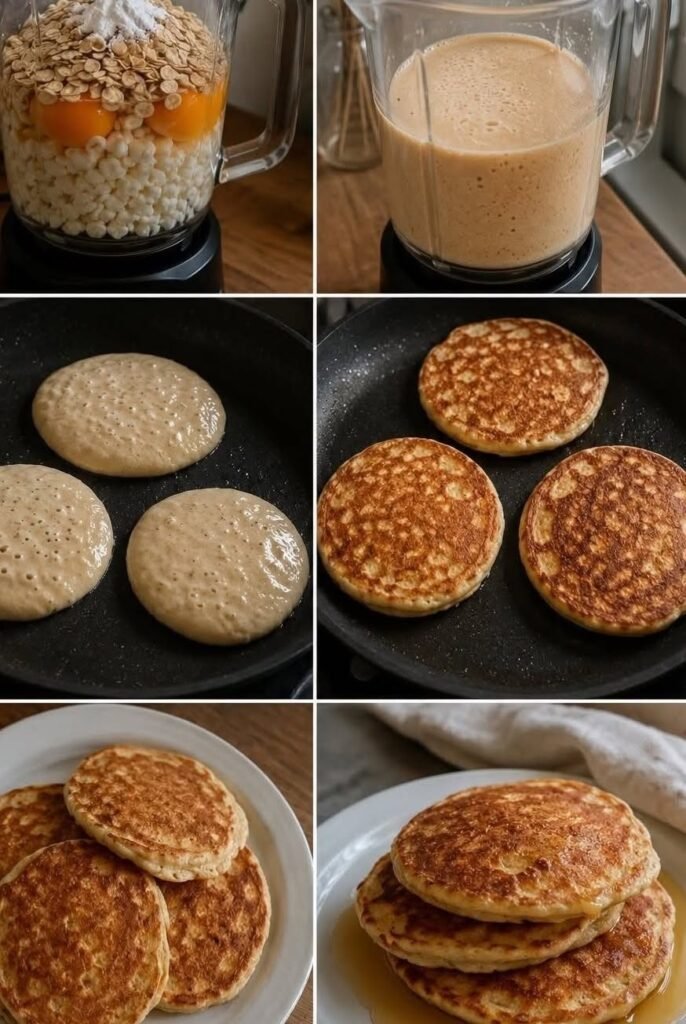

Low carb pancakes are a great alternative to traditional pancakes for anyone who wants to enjoy a satisfying breakfast while reducing their intake of carbohydrates. Traditional pancakes are usually made with refined flour, sugar, and other ingredients that can make them relatively high in carbohydrates. Low carb pancakes replace these ingredients with alternatives such as almond flour, coconut flour, eggs, and natural low-carb sweeteners. The result is a breakfast that can be filling, flavorful, and easy to customize.
One of the best things about low carb pancakes is that you do not have to give up the comforting experience of eating pancakes. They can still be soft, fluffy, golden, and delicious. With the right ingredients and cooking technique, low carb pancakes can become a regular part of a balanced breakfast.
What Are Low Carb Pancakes?
Low carb pancakes are pancakes prepared with ingredients that contain fewer carbohydrates than conventional wheat-flour pancakes. Instead of relying primarily on all-purpose flour, these pancakes often use almond flour, coconut flour, ground flaxseed, or a combination of low-carbohydrate ingredients.
Eggs are particularly useful in low carb pancake recipes because they provide structure and help hold the ingredients together. They also add protein and contribute to a rich texture. Milk or unsweetened dairy-free milk can be added for moisture, while baking powder helps create a lighter texture.
Depending on the recipe, low carb pancakes can be sweetened with a small amount of a low-carb sweetener or left unsweetened and served with toppings.
Why Choose Low Carb Pancakes?
There are several reasons someone might choose low carb pancakes over traditional pancakes.
First, reducing refined carbohydrates can be useful for people who are trying to manage their overall carbohydrate intake. Traditional pancakes often contain a large amount of flour and are commonly served with sugary syrup. A low carb version can provide a similar breakfast experience while using different ingredients.
Second, low carb pancakes can be surprisingly filling. Ingredients such as eggs and almond flour contain protein, fat, and other nutrients that may help make breakfast more satisfying.
Third, they are versatile. You can make them sweet with cinnamon, vanilla, berries, or low-carb sweeteners, or create a more savory version by leaving out the sweetener and adding herbs or cheese.
Finally, low carb pancakes are easy to prepare. Once you have the basic ingredients in your kitchen, you can usually prepare the batter in only a few minutes.
Ingredients for Low Carb Pancakes
A simple low carb pancake recipe does not require many ingredients. For approximately two to three servings, you can use:
- 1 cup almond flour
- 3 large eggs
- 2 tablespoons unsweetened almond milk or another low-carb milk
- 1 tablespoon melted butter or coconut oil
- 1 teaspoon baking powder
- 1 teaspoon vanilla extract
- 1 tablespoon low-carb sweetener, optional
- ½ teaspoon ground cinnamon, optional
- A small pinch of salt
- Butter or oil for cooking
Almond flour is one of the most popular choices for low carb pancakes. It has a naturally nutty flavor and provides a soft texture. Because almond flour behaves differently from wheat flour, it is important not to assume that it can be substituted in exactly the same quantity in every pancake recipe.
Coconut flour is another popular option. However, coconut flour absorbs significantly more liquid than almond flour, so recipes using coconut flour generally require a different ratio of ingredients.
Eggs are another essential ingredient because they help provide structure. Without enough binding ingredients, low carb pancakes can become fragile and difficult to flip.
How to Make Low Carb Pancakes
Start by preparing the pancake batter. In a medium-sized bowl, whisk together the eggs, almond milk, melted butter, and vanilla extract. If you are using a sweetener, add it at this stage.
In a separate bowl, combine the almond flour, baking powder, cinnamon, and salt. Mixing the dry ingredients separately helps distribute the baking powder and seasoning evenly.
Gradually add the dry ingredients to the wet ingredients. Stir gently until a smooth batter forms. Avoid overmixing because excessive mixing can affect the texture.
Let the batter rest for approximately two to five minutes. This short resting period allows the almond flour to absorb some of the liquid and gives you a better idea of the final consistency.
Heat a nonstick skillet or griddle over medium-low heat. Add a small amount of butter or oil. Once the pan is warm, pour a small amount of batter into the skillet to form each pancake.
Low carb pancakes can be more delicate than traditional pancakes, so smaller pancakes are generally easier to flip. Cook the first side until the edges look set and small bubbles begin to appear on the surface. Carefully slide a spatula underneath and flip the pancake.
Cook the second side for another minute or two, or until golden brown and cooked through.
Continue with the remaining batter, adding a little more butter or oil to the pan as necessary.
Tips for Perfect Low Carb Pancakes
Making low carb pancakes can require a little practice because alternative flours behave differently from wheat flour. Fortunately, a few simple tips can make the process much easier.
Keep the Heat Moderate
One of the most common mistakes is cooking pancakes over excessively high heat. Almond flour can brown quickly, so the outside may become dark before the inside has finished cooking.
Medium-low heat is usually a better choice. Give the pancakes enough time to cook gradually.
Make Smaller Pancakes
Traditional large pancakes may be easy to flip because gluten helps give wheat-based batter elasticity. Low carb pancakes can be more fragile.
Making smaller pancakes makes them easier to handle and reduces the chance of breaking when you flip them.
Do Not Flip Too Early
Wait until the edges look firm and the surface has started to develop bubbles. If you try to flip the pancake while the batter is still very wet, it may break apart.
Adjust the Batter
Different brands of almond flour can have slightly different textures. If the batter seems too thick, add a small amount of milk. If it seems too thin, allow it to rest for a few minutes before making adjustments.
Delicious Low Carb Pancake Toppings
Toppings can completely change the flavor of your pancakes. Traditional maple syrup is high in sugar, so people following a low carb eating pattern may prefer other options.
Fresh berries are a popular choice. Strawberries, raspberries, and blackberries can add natural sweetness and color. Because fruit still contains carbohydrates, portion size matters if you are following a strict carbohydrate target.
A spoonful of unsweetened Greek yogurt can provide creaminess and additional protein. You can also add a small amount of chopped nuts, such as walnuts or pecans, for crunch.
Sugar-free syrup can provide a more traditional pancake experience. Another simple option is melted butter with a sprinkle of cinnamon.
For a chocolate variation, unsweetened cocoa powder can be added to the batter. A few sugar-free chocolate chips can also create a dessert-like breakfast.
Variations to Try
The basic low carb pancake recipe can be changed in many ways.
Blueberry Low Carb Pancakes
Add a small handful of fresh or frozen blueberries to the batter. Blueberries provide a pleasant burst of flavor and work particularly well with almond flour.
Cinnamon Pancakes
Increase the cinnamon slightly and add a little extra vanilla extract. These pancakes pair beautifully with butter and chopped pecans.
Chocolate Pancakes
Add one or two tablespoons of unsweetened cocoa powder to the batter. You may need to add a little extra liquid because cocoa powder can make the batter thicker.
Lemon Pancakes
Add a small amount of fresh lemon zest to the batter. The bright citrus flavor works especially well with berries and unsweetened yogurt.
Savory Low Carb Pancakes
For a savory version, leave out the sweetener and vanilla. Add herbs, shredded cheese, spinach, or cooked vegetables. These pancakes can be served with eggs, avocado, or another savory breakfast food.
Nutritional Considerations
The nutritional value of low carb pancakes depends heavily on the ingredients and portion size. Almond flour, eggs, butter, toppings, and sweeteners all contribute different amounts of calories, fat, protein, and carbohydrates.
It is therefore important to remember that “low carb” does not automatically mean “low calorie.” Almond flour, for example, is nutritious but relatively energy-dense. Adding large amounts of butter, cream, nuts, or other toppings can significantly increase the calorie content of a meal.
If carbohydrate intake is particularly important to you, check the nutrition information for the specific ingredients you use and calculate the carbohydrates based on your actual serving size.
How to Store Low Carb Pancakes
If you make more pancakes than you can eat, they can usually be stored for later.
Allow the pancakes to cool completely before storing them. Place them in an airtight container and refrigerate them for a few days.
For longer storage, freeze the pancakes in a single layer before transferring them to a freezer-safe container or bag. Separating the pancakes with pieces of parchment paper can make it easier to remove individual portions.
When you are ready to eat them, reheat them gently in a skillet, toaster, or microwave. A skillet can help restore some of the crispness around the edges.
Frequently Asked Questions
Are low carb pancakes healthy?
They can be part of a balanced diet, depending on the ingredients, portion size, and overall eating pattern. Using ingredients such as eggs and nuts can provide protein and fats, while avoiding large amounts of refined flour and added sugar can reduce the carbohydrate content.
Can I make low carb pancakes without almond flour?
Yes. Coconut flour, ground flaxseed, or other low-carb flour alternatives can be used, although the recipe proportions will need to change. Coconut flour absorbs much more liquid than almond flour, so it should not simply be substituted cup-for-cup.
Why are my pancakes falling apart?
Low carb pancakes can be more delicate than traditional pancakes. The batter may need more binding, or the pancakes may be too large or flipped too early. Cooking smaller pancakes over moderate heat usually helps.
Can I make them without a sweetener?
Absolutely. The sweetener is optional. You can leave it out completely, especially if you plan to serve the pancakes with naturally sweet toppings such as berries.
Can I make low carb pancakes ahead of time?
Yes. They can be prepared in advance, refrigerated, or frozen and reheated when needed. This makes them a convenient breakfast for busy mornings.
Final Thoughts
Low carb pancakes are an excellent way to enjoy a familiar breakfast while using ingredients that contain fewer carbohydrates than traditional pancake recipes. Almond flour, eggs, baking powder, and a few simple flavorings can create pancakes that are tender, satisfying, and easy to customize.
The key to success is cooking them gently and making them slightly smaller than conventional pancakes. Once you become familiar with the texture of the batter, you can experiment with flavors such as blueberries, cinnamon, chocolate, lemon, or even savory herbs and cheese.
Whether you are looking for a quick weekday breakfast or a relaxing weekend meal, low carb pancakes can be a delicious addition to your menu. Serve them with butter, berries, unsweetened yogurt, nuts, or another topping that fits your dietary goals. With a little experimentation, you can create a pancake recipe that tastes indulgent while still fitting comfortably into a lower-carbohydrate lifestyle.